
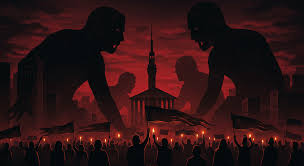
Fascisterne refers to a movement and ideology rooted in fascism, focusing on authoritarianism, nationalism, and strict social control. It reflects both historical origins and modern interpretations.
Fascisterne is often used to describe groups and movements influenced by traditional fascist principles such as nationalism, rigid hierarchy, and strong centralized authority. While historically linked to the rise of European fascism in the 20th century, Fascisterne also reflects how these ideas resurface in today’s political and cultural discussions. Understanding Fascisterne helps uncover not just its past but also its evolving role in shaping contemporary debates around identity, governance, and extremism.
Fascisterne is a term that has become increasingly important in political discussions. It refers to movements inspired by fascism, authoritarianism, and ultranationalism. These movements are often fueled by fear, economic instability, or social unrest. Understanding Fascisterne helps us recognize the dangers of political extremism. Its impact stretches from organized violence to attacks on free press and the erosion of democratic institutions. Studying this ideology also provides insight into the rise of neo-fascism and totalitarian movements today. The lessons from history remain relevant in a world facing political polarization and global tensions.
What Fascisterne Means
Fascisterne is more than a historical term. It symbolizes a set of ideas that prioritize state power and national identity over individual rights. Fascisterne movements promote authoritarianism and ultranationalism. Leaders often promise stability while suppressing dissent through political repression. Paramilitary groups and organized violence are common tactics. Fascisterne thrives when citizens are fearful or disillusioned. Modern manifestationsFascisterne is more than a historical term. It symbolizes a set of ideas that prioritize state power and national identity over individual rights. Fascisterne movements promote authoritarianism and ultranationalism. Leaders often promise stability while suppressing dissent through political repression. Paramilitary groups and organized violence are common tactics. Fascisterne thrives when citizens are fearful or disillusioned. Modern manifestations can appear subtly through hate speech, propaganda, or attacks on democratic processes. When a lift is safe to, in society, is analogous to when institutions are strong and resilient against such movements.
can appear subtly through hate speech, propaganda, or attacks on democratic processes. When a lift is safe to, in society, is analogous to when institutions are strong and resilient against such movements.
Historical Roots of Fascisterne
Fascisterne traces back to early 20th-century Europe. After World War I, nations faced economic collapse and political uncertainty. Italy, under Benito Mussolini, became the birthplace of fascism. Mussolini combined ultranationalism, authoritarianism, and militarism to seize power. Similarly, Adolf Hitler and the Nazi Party in Germany exploited social and economic unrest to gain control. Fascisterne movements often used racial discrimination, persecution of religious minorities, and attacks on free press to maintain dominance. The erosion of democratic institutions allowed totalitarian movements to grow unchecked.
Italy: Mussolini’s Fascism
Italy faced severe political instability after World War I. Benito Mussolini emerged as a leader promising order and national pride. His regime relied on paramilitary groups, political repression, and ultranationalist propaganda. Hate speech and racial discrimination became tools to control society. Mussolini’s Fascisterne model inspired similar movements worldwide. Citizens were coerced into conformity, while dissenters faced organized violence. Italy’s experience shows how fragile democracy can be under economic and social strain.
Germany: Hitler and the Nazi Party
Germany’s defeat in World War I created resentment among its citizens. Adolf Hitler and the Nazi Party capitalized on this anger. Their ideology combined racism, ultranationalism, and authoritarianism. Persecution of religious minorities and organized violence were widespread. State repression, paramilitary groups, and attacks on free press ensured control. Hitler’s regime demonstrates the extreme dangers of Fascisterne when left unchecked. The lessons of Germany remain critical today, especially in combating neo-fascism.
Core Ideology of Fascisterne
Fascisterne is defined by authoritarian rule, ultranationalism, and totalitarian control. The ideology rejects liberal democracy and often targets political opponents. Citizens are pressured to conform through propaganda and organized violence. Hate speech, racism, and political repression are used to maintain power.
- Key characteristics of Fascisterne:
- Centralized power under a single leader
- Totalitarian movements controlling public life
- Organized violence and paramilitary enforcement
- Attacks on free press and democratic institutions
This framework explains how Fascisterne spreads rapidly in unstable societies. It also highlights the importance of civic education and institutional strength in countering these threats.
Regional Examples: Scandinavia
Fascisterne was not only in southern Europe. Scandinavia saw smaller but significant fascist movements. Denmark, Sweden, and Norway experienced ultranationalist and authoritarian groups. Political extremism and hate speech were present, though strong democratic systems limited their impact. These examples show that resilient institutions can prevent totalitarian movements from taking hold. Modern societies can learn from this by promoting civic engagement, media literacy, and equality.
Decline After World War II
After World War II, Fascisterne largely disappeared as a formal political force. Italy and Germany were defeated, and leaders faced accountability for crimes including organized violence and persecution of religious minorities. The Nuremberg Trials set legal precedents for prosecuting state repression. However, the ideology persisted in new forms. Neo-fascism emerged in Europe and beyond, often adopting subtler tactics to influence politics. The legacy of Fascisterne warns of the dangers of unchecked political extremism and erosion of democratic institutions.
Modern Manifestations
Today, Fascisterne manifests through political extremism, ultranationalism, and hate speech. Far-right movements exploit economic anxiety and social tensions. Digital platforms allow neo-fascist propaganda to spread rapidly. Attacks on free press, racial discrimination, and political repression can appear in both formal and informal forms. Recognizing these trends is critical to maintaining democracy.
- Signs of modern Fascisterne include:
- Political extremism in mainstream discourse
- Organized violence or paramilitary activity
- Hate speech targeting minorities
- Weakening of democratic institutions
Fascisterne and Pop Culture
Pop culture shapes perception of Fascisterne. Films, books, and documentaries explore its history and ideology. Media can both critique and inadvertently normalize these movements. Understanding Fascisterne through pop culture helps society recognize its dangers. It also emphasizes the importance of education and critical thinking in preventing political extremism. Pop culture can inspire dialogue about equality, justice, and democratic resilience.
How to Identify Fascisterne
Identifying Fascisterne is key to preventing its spread. Communities must remain alert to signs of ultranationalism and authoritarianism.
- Key identification methods:
- Monitor political extremism and hate speech
- Watch for erosion of democratic institutions
- Recognize organized violence and paramilitary activity
- Address attacks on free press
- Promote civic education and media literacy
Strengthening institutions, encouraging dialogue, and protecting human rights are essential steps. Awareness of historical leaders like Benito Mussolini and Adolf Hitler provides context for identifying modern threats.
Global Perspective
Fascisterne is no longer confined to Europe. Similar movements appear worldwide, exploiting instability and fear. Countries in Asia, the Americas, and Africa face the rise of neo-fascism and ultranationalist groups. State repression, racism, and political extremism are common patterns. International cooperation and vigilance are necessary to combat these trends. Democracy and human rights remain the most effective tools against Fascisterne globally.
Table: Historical vs. Modern Fascisterne Traits
| Feature | Historical Fascisterne | Modern Fascisterne |
|---|---|---|
| Leaders | Mussolini, Hitler | Various neo-fascist leaders |
| Political Methods | Paramilitary groups, propaganda | Social media, political rhetoric |
| Violence | Organized street violence | Online harassment, intimidation |
| Targets | Minorities, opposition | Minorities, media, political opponents |
| Ideology | Ultranationalism, racism | Neo-fascism, ultranationalism |
Why Fascisterne Still Matters
Fascisterne reminds society of the dangers of authoritarianism and ultranationalism. Its modern resurgence through neo-fascism and political extremism threatens democratic stability. Recognizing the signs and learning from history are essential. Communities must remain vigilant to prevent the repetition of organized violence, attacks on free press, and persecution of minorities. Protecting democracy and human rights ensures societies remain free from the dangers of Fascisterne.
Conclusion
By studying Fascisterne, we gain a clearer picture of how old ideologies evolve and adapt to new times. Recognizing these patterns is essential for building resilience against authoritarian ideas and ensuring societies remain open, inclusive, and democratic
FAQs
Q1: What does Fascisterne mean in modern discussions?
Fascisterne usually refers to contemporary groups or ideologies that echo the authoritarian and nationalist principles of traditional fascism.
Q2: How is Fascisterne connected to historical fascism?
Fascisterne shares roots with early 20th-century European fascist movements, but today it is often used in broader debates about extremism and politics.
Q3: Why is Fascisterne still relevant today?
Fascisterne remains relevant because it symbolizes how fascist ideologies continue to resurface in modern political and cultural arenas.
Q4: Are Fascisterne groups active online?
Yes, Fascisterne and similar movements often use digital platforms to spread messages, recruit, and influence discussions globally.
Q5: How can societies respond to Fascisterne ideologies?
Countering Fascisterne requires education, open dialogue, and policies that promote inclusion and prevent extremist influence.